Wendy Otto · 1 September 2026
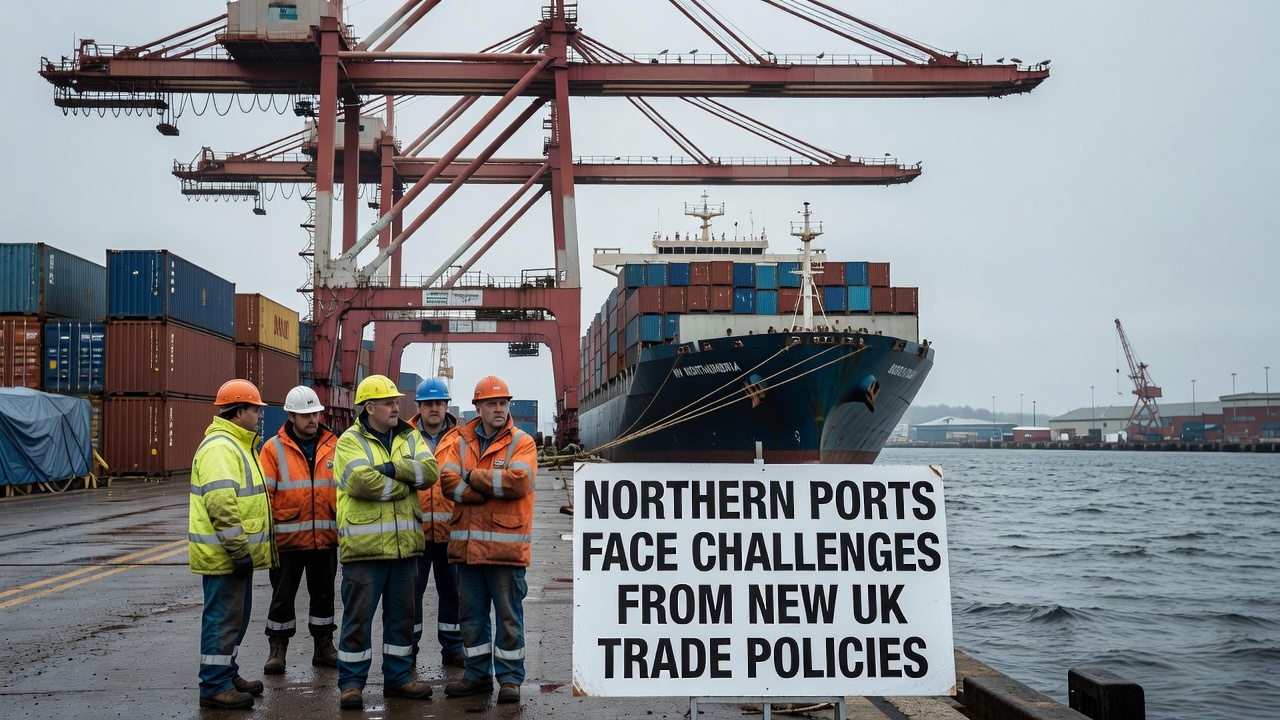
Recent shifts in United Kingdom trade policy are starting to influence operations at several northern ports. These changes include updated customs regulations and adjustments to import tariffs following new bilateral agreements. Port operators in regions such as the North West and North East are monitoring the situation closely as volumes fluctuate. The Department for International Trade has introduced measures that prioritize certain sectors, leading to varied impacts across different port facilities.
Impact on Major Northern Ports
The Port of Liverpool has seen notable changes in its throughput. Data from the first quarter indicates a reduction in certain cargo types, particularly those involving European Union countries. This is attributed to longer processing times at entry points. In Hull, similar patterns emerge with ferry services experiencing scheduling adjustments due to compliance requirements. Immingham, one of the busiest ports for bulk cargo, reports that coal and biomass imports are affected by new environmental trade standards integrated into policy. Businesses in surrounding areas express concern over potential job losses if trends continue. Supply chains for automotive and chemical industries, which rely heavily on these ports, face uncertainties. Government representatives emphasize that these policies aim to enhance overall trade efficiency and protect domestic industries.
Future Prospects and Industry Reactions
Looking ahead, adaptations are underway. Investments in automation and staff training are being prioritized to handle the new regulatory environment. Collaborations between port authorities and trade associations are fostering innovative solutions like shared data platforms for tracking shipments. Experts from the logistics sector note that northern ports could benefit from increased focus on non-EU trade partners such as the United States and Asia. However, they caution that without swift infrastructure improvements, competition from southern facilities might intensify. The situation remains dynamic as further policy refinements are anticipated in the coming months. Additional support packages for training and technology upgrades are under discussion to help northern ports maintain their competitive edge in international trade.