
Ines Werner · 18 September 2026
Privacy Scrutiny Intensifies Around Digital Verification Systems in Public Services
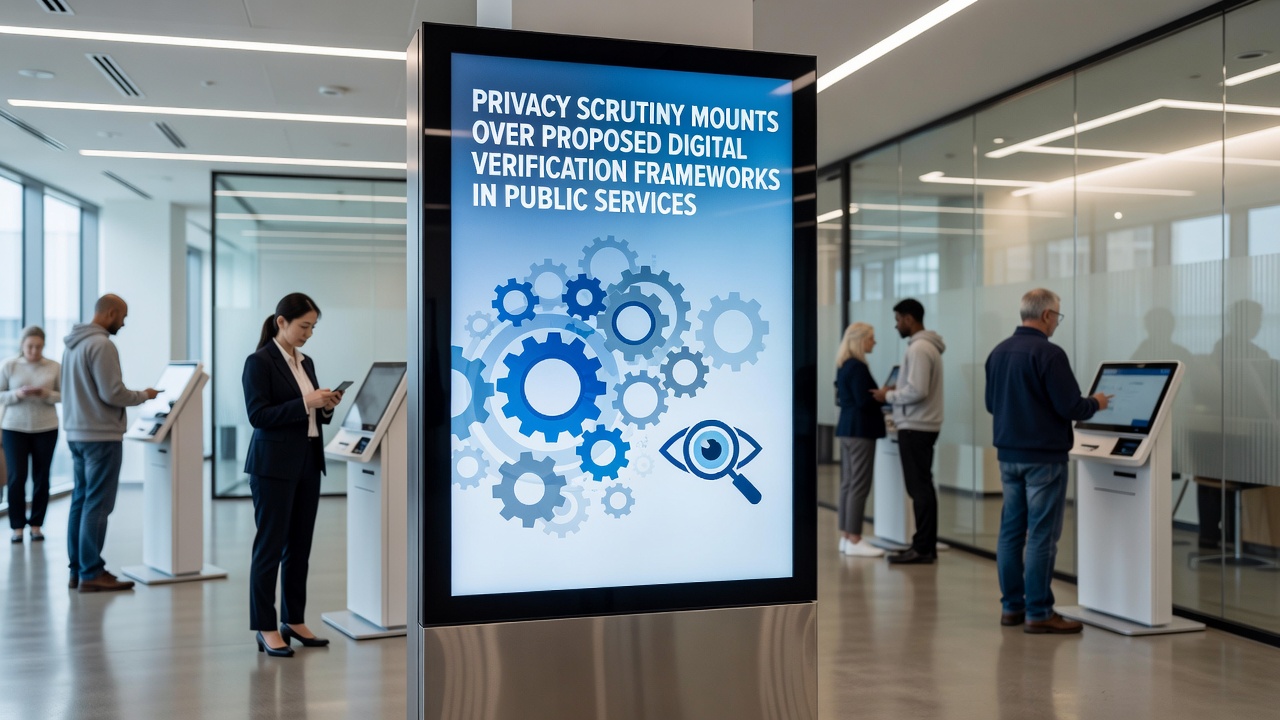
Proposed digital verification frameworks for public services continue to draw attention from regulators and advocacy groups across multiple jurisdictions, and data from recent consultations shows growing focus on how these systems handle personal information. Governments in several countries have advanced plans that require citizens to use biometric data or digital credentials when accessing benefits, healthcare records, and tax services, while privacy commissioners have issued statements highlighting potential risks under existing data protection laws.
Background on the Proposed Frameworks
Officials in the European Union and Canada have outlined verification requirements that integrate with national ID systems, and studies from the European Data Protection Board indicate these measures aim to reduce fraud in public service delivery. The frameworks typically involve centralized databases that cross-reference user identities against multiple government records, yet implementation timelines include public feedback periods scheduled through September 2026 in several regions. Researchers at the University of Toronto's Citizen Lab have documented similar proposals in Australia where digital verification would replace paper-based processes for welfare applications, and figures from the Office of the Australian Information Commissioner reveal increased queries about data retention periods.
Key Privacy Concerns Raised by Regulators
Privacy experts note that biometric elements in these verification tools create permanent records that cannot be easily revoked if systems experience breaches, and reports from the US Federal Trade Commission detail past incidents where similar databases faced unauthorized access. Those who've reviewed the draft policies point out that data sharing between agencies could expand beyond initial stated purposes, while evidence from pilot programs in the United Kingdom shows higher error rates for individuals with complex immigration histories. Observers note the frameworks often lack clear opt-out mechanisms, and this absence has prompted formal complaints to oversight bodies in multiple countries.
International Examples and Regulatory Responses
Canadian authorities released guidance in early 2025 that requires impact assessments before any new verification rollout, and the Privacy Commissioner of Canada has linked to detailed resources at priv.gc.ca for public reference. In contrast, Australian officials have focused on encryption standards during transmission, yet a joint report from the Australian National University found gaps in how long-term storage complies with local privacy principles. The European approach incorporates mandatory audits under the General Data Protection Regulation, and data from the European Data Protection Board shows these audits have already flagged several proposed features for revision. What's interesting is how these regional differences affect cross-border data flows when citizens move between countries.
Effects on Specific Public Services
Healthcare access systems represent one area where verification changes could alter patient experiences, and studies indicate that elderly populations encounter higher failure rates during initial enrollment. Tax filing platforms in pilot regions have introduced facial recognition checks, but researchers discovered that lighting conditions and facial changes from medical treatments increase rejection rates. Benefit distribution programs face similar hurdles, and figures released by government analytics teams reveal that rural users with limited internet connectivity report longer processing times. Those monitoring the proposals emphasize that fallback options remain essential to avoid service disruptions.
Technical Standards and Data Security Measures
Engineers developing these frameworks have incorporated zero-knowledge proofs in some designs, and testing data from academic labs shows these methods limit the amount of personal information exposed during verification. However, integration with legacy government databases continues to present compatibility challenges, and reports indicate that older systems often require extensive updates before full deployment. Security protocols include regular penetration testing, yet independent reviews have recommended additional safeguards against insider access. The reality is that maintaining consistent standards across agencies demands ongoing coordination that some jurisdictions have struggled to achieve.
Public Consultation and Future Developments
Consultation documents released so far invite comments on data minimization principles, and responses collected through mid-2025 show strong emphasis on transparency around third-party vendors. Several governments plan to publish updated drafts before the September 2026 deadlines, and these revisions may address concerns about automated decision-making. Industry groups have submitted technical feedback on interoperability standards, while academic researchers continue to publish analyses of potential long-term societal effects. The process remains open for further input from affected communities.
Conclusion
Digital verification proposals for public services continue to evolve amid ongoing regulatory reviews, and the period leading to September 2026 will likely shape final designs in multiple countries. Data protection authorities have established channels for continued monitoring, and evidence from current pilots informs adjustments to security and access requirements. Those tracking developments across regions observe that successful implementation depends on balancing verification goals with established privacy protections, and future reports will document how these frameworks perform in practice.