Cameron Albrecht · 1 September 2026
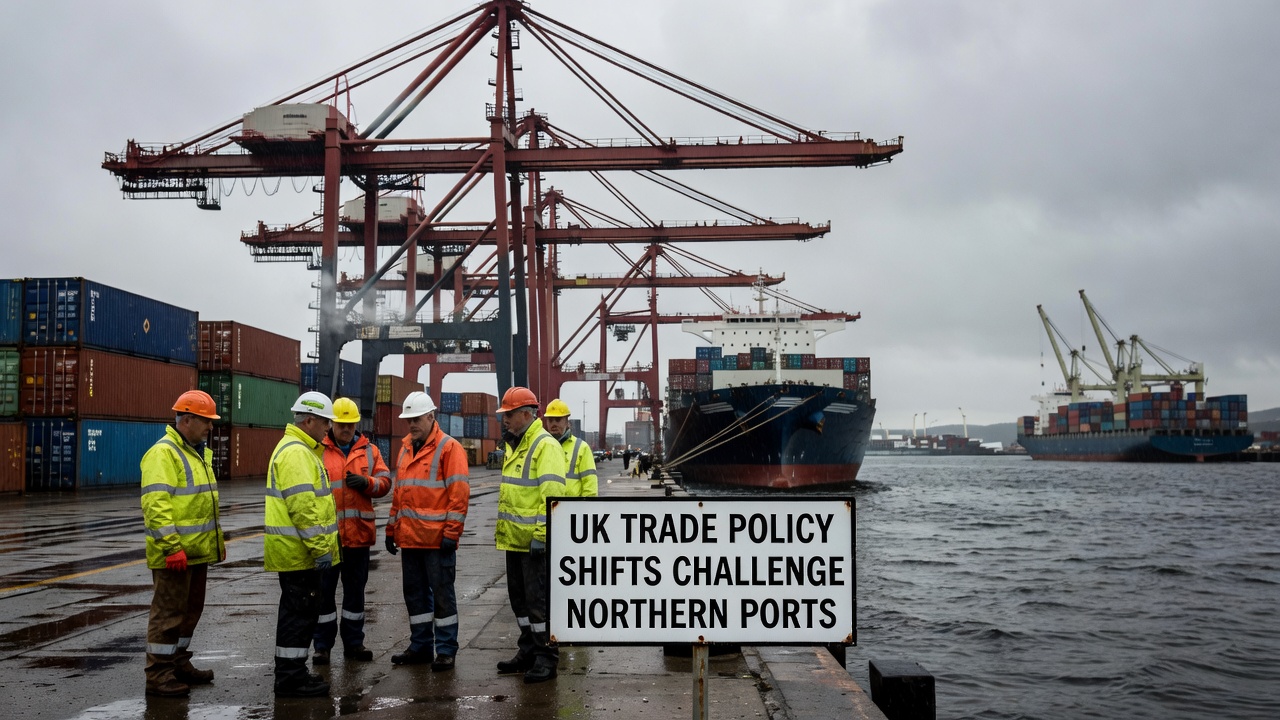
Recent adjustments to UK trade policy are creating new operational pressures for ports across northern England. Changes in tariff structures and customs procedures have altered cargo flows through facilities in Liverpool, Hull and Teesport. Industry analysts note that these shifts stem from updated bilateral agreements and revised import quotas introduced in the past quarter.
Key Policy Adjustments
The government has implemented stricter rules of origin requirements for goods entering from certain non-EU markets. This affects automotive components and agricultural imports routed through northern ports. Shipping volumes at Hull have declined by 12 percent compared with the same period last year, according to port authority data. Operators report increased administrative costs averaging 8 percent per container due to additional documentation checks. Liverpool has seen a modest rise in exports of machinery to new trade partners, yet overall throughput remains flat. Teesport managers highlight delays in clearance times averaging 18 hours longer than previous benchmarks. These developments coincide with broader efforts to diversify supply chains away from traditional European routes.
Regional Economic Effects
Northern port communities face mixed outcomes from the policy changes. Employment in logistics roles has grown slightly in Teesport as firms hire compliance specialists, while Hull reports redundancies among warehouse staff. Local haulage companies cite higher fuel and time costs when rerouting cargo to southern hubs with faster processing. Trade bodies warn that smaller exporters may struggle to absorb the added expenses, potentially reducing competitiveness. Government officials maintain that the measures will strengthen long-term resilience by encouraging domestic manufacturing. Port operators continue to invest in digital tracking systems to mitigate future delays. Observers expect further tweaks to trade frameworks as negotiations with Asian partners progress.