Quinn Griffin · 1 September 2026
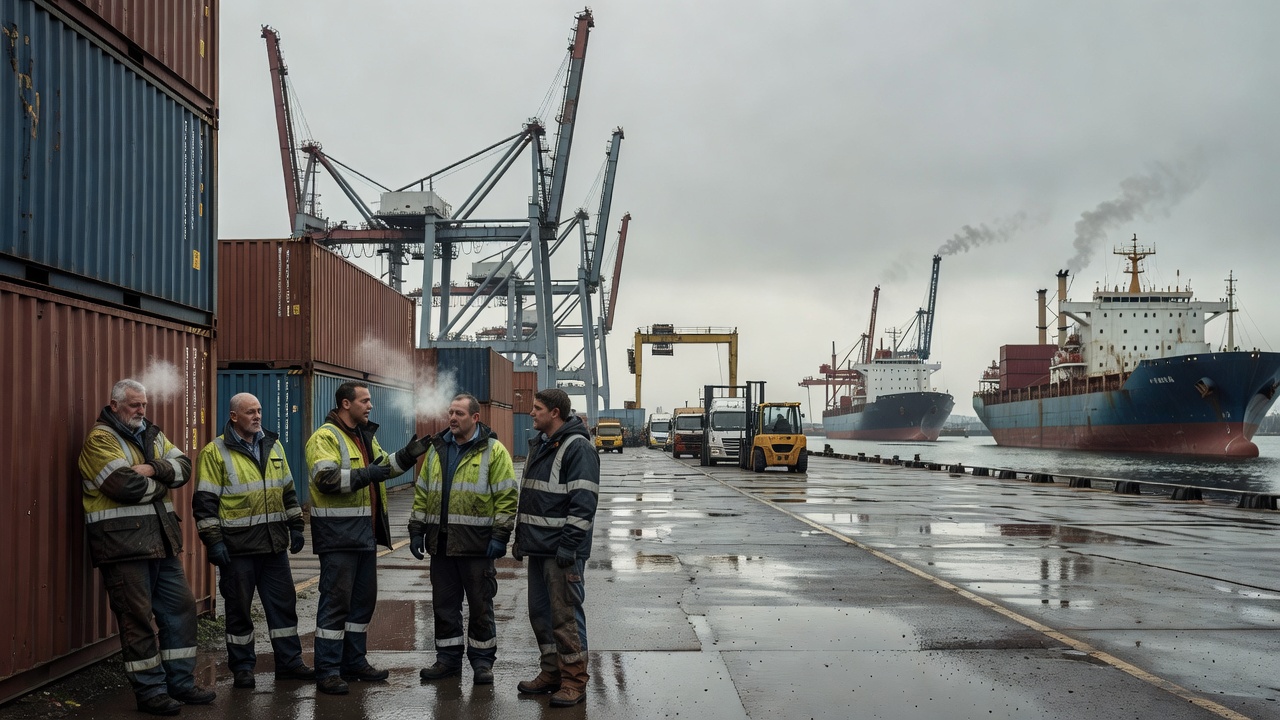
The UK government has announced significant shifts in trade policy that are poised to impact northern ports including Liverpool, Hull, and Tyne. These changes come amid ongoing efforts to renegotiate post-Brexit trade agreements and address global supply chain issues. Port operators have expressed concerns over potential delays and increased costs associated with the new regulations. Business leaders in the region are calling for more consultation with policymakers to address specific concerns related to the northern ports unique operational needs. The situation is being closely watched by international trade observers as well.
Overview of Policy Adjustments
Among the key adjustments are revised tariff structures for imported goods and enhanced documentation requirements for exports to European Union countries. The policies are designed to encourage trade with non-EU nations while safeguarding UK businesses from unfair competition. According to government sources, the northern ports handle over 30 percent of the UK's container traffic, making them particularly vulnerable to these changes. Shipping companies are already reporting adjustments in their routing plans to mitigate potential disruptions. Analysts predict that these policy shifts could result in a temporary dip in trade volumes through northern facilities as businesses adapt to the new framework. Further details indicate targeted support for small and medium enterprises reliant on these routes.
Effects on Local Economies and Operations
Local economies dependent on port activities may face challenges as a result of these trade policy modifications. Employment in logistics and related sectors could be affected if trade flows decrease. However, some experts suggest that the emphasis on domestic production might boost manufacturing in northern regions, leading to long-term gains. The Port of Liverpool has initiated training programs for staff to handle the new customs procedures efficiently. Similarly, authorities at the Port of Hull are investing in digital systems to streamline compliance. Overall, the trade policy shifts represent a pivotal moment for northern ports as they navigate evolving international trade landscapes. Further monitoring and adjustments are expected as the full implications become clearer in the coming months. Additional measures include support packages for affected businesses to help them transition smoothly. The government emphasizes collaboration with port authorities to ensure minimal negative impacts while maximizing opportunities from new trade partnerships.